Hilldrop Garden
One man’s trash is another bugs treasure
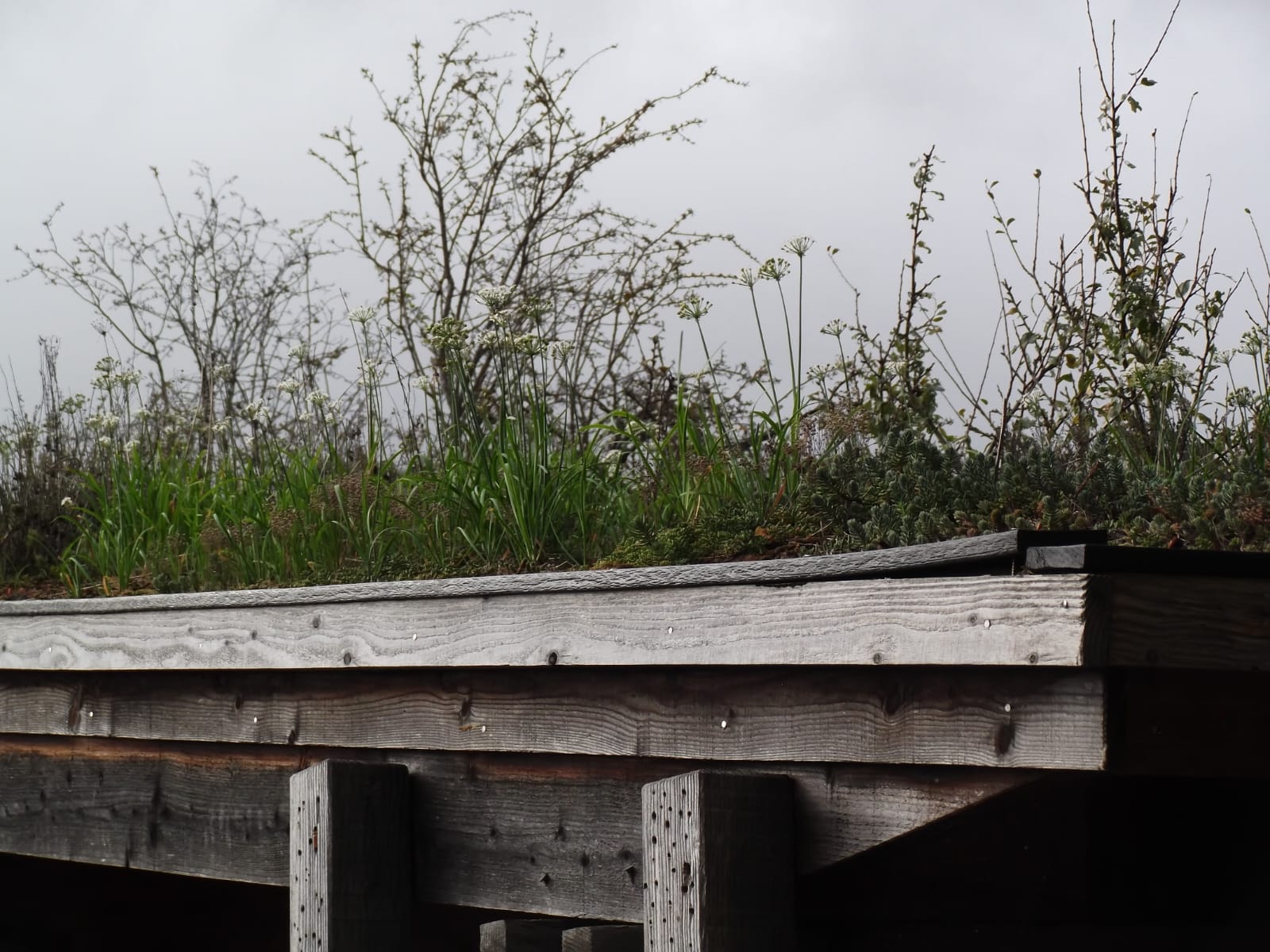
I was very fortunate to have visited John Little and Fiona Little’s Hilldrop garden and home in Essex during my first semester of third year. This site visit was part of my Green Infrastructure and Ecological Masterplanning module led by Helen Hoyle. The visit was an enrichening experience to see such experimentative design particularly with deadwood structures, topography, substrates and a controversial take on incorporating ‘trash’ or ‘rubbish’ into design.
When we think of fly tipping, littering and landfills our mind immediately associates these words with negative connotations but we must also consider another perspective … these landscapes that have been defiled, may also be some of the most complex landscapes too. What I mean by this is that when people go scuba diving they tend to go towards a ship wreck, why? It’s because these ship wrecks are also incredible habitats for marine life by creating opportunities for shelter and food. This is the process of ecological succession, over time these very ship wrecks become colonised by a range of organisms forming complex ecosystems. Apply this to a common fly tip and upon closer inspection people’s rubbish has now formed an ecosystem for fungi, invertebrates and mammals.
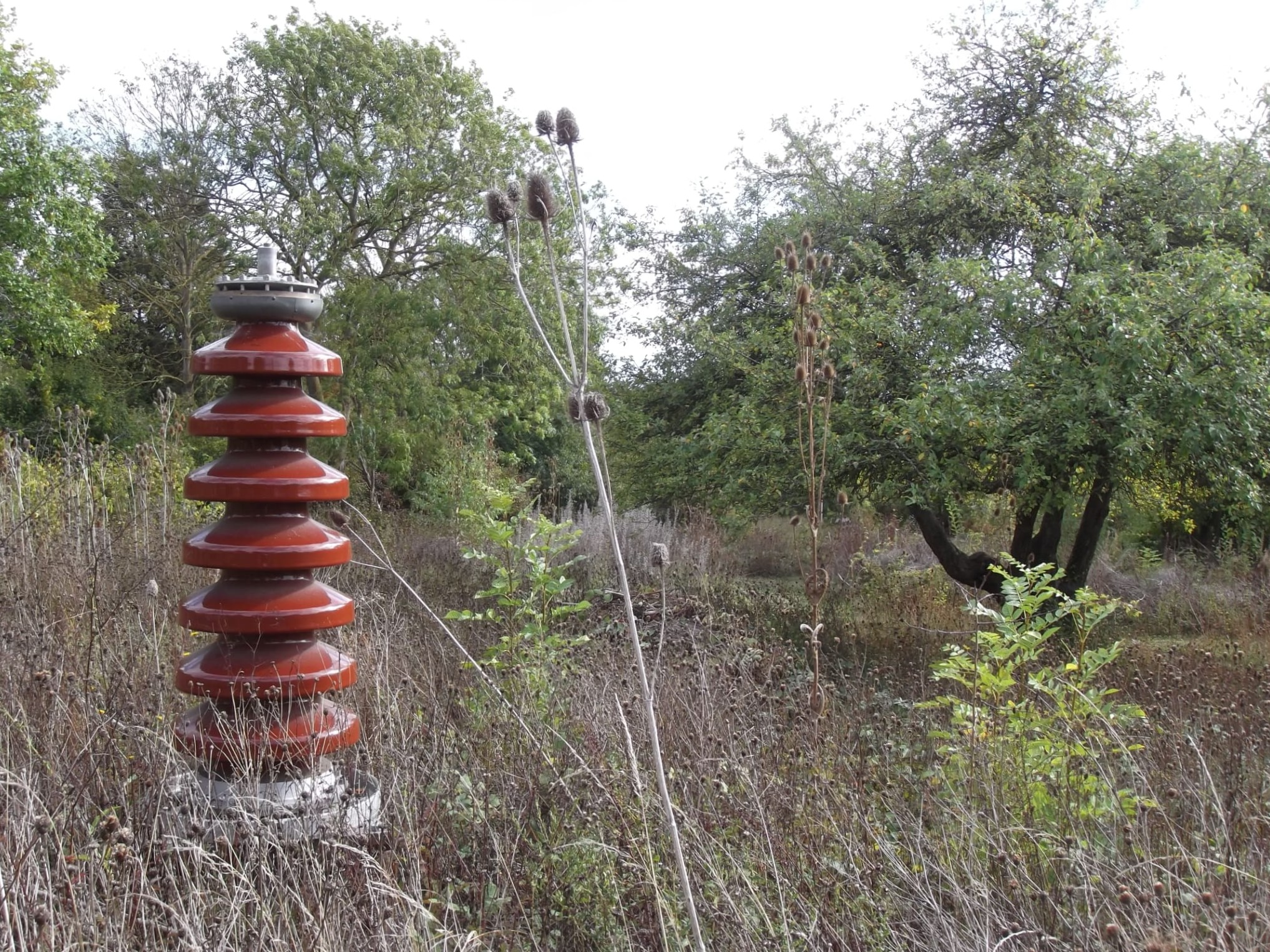
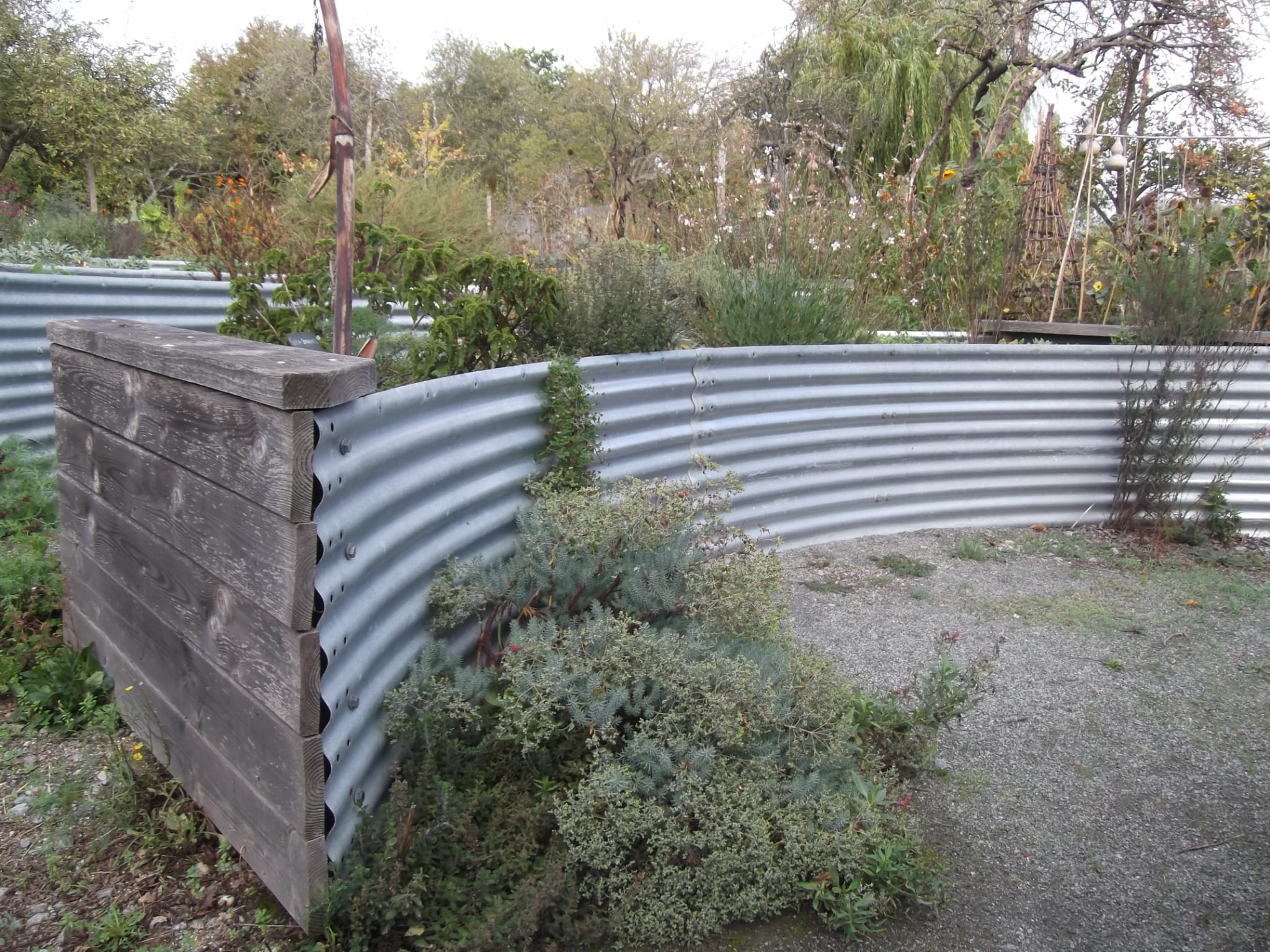
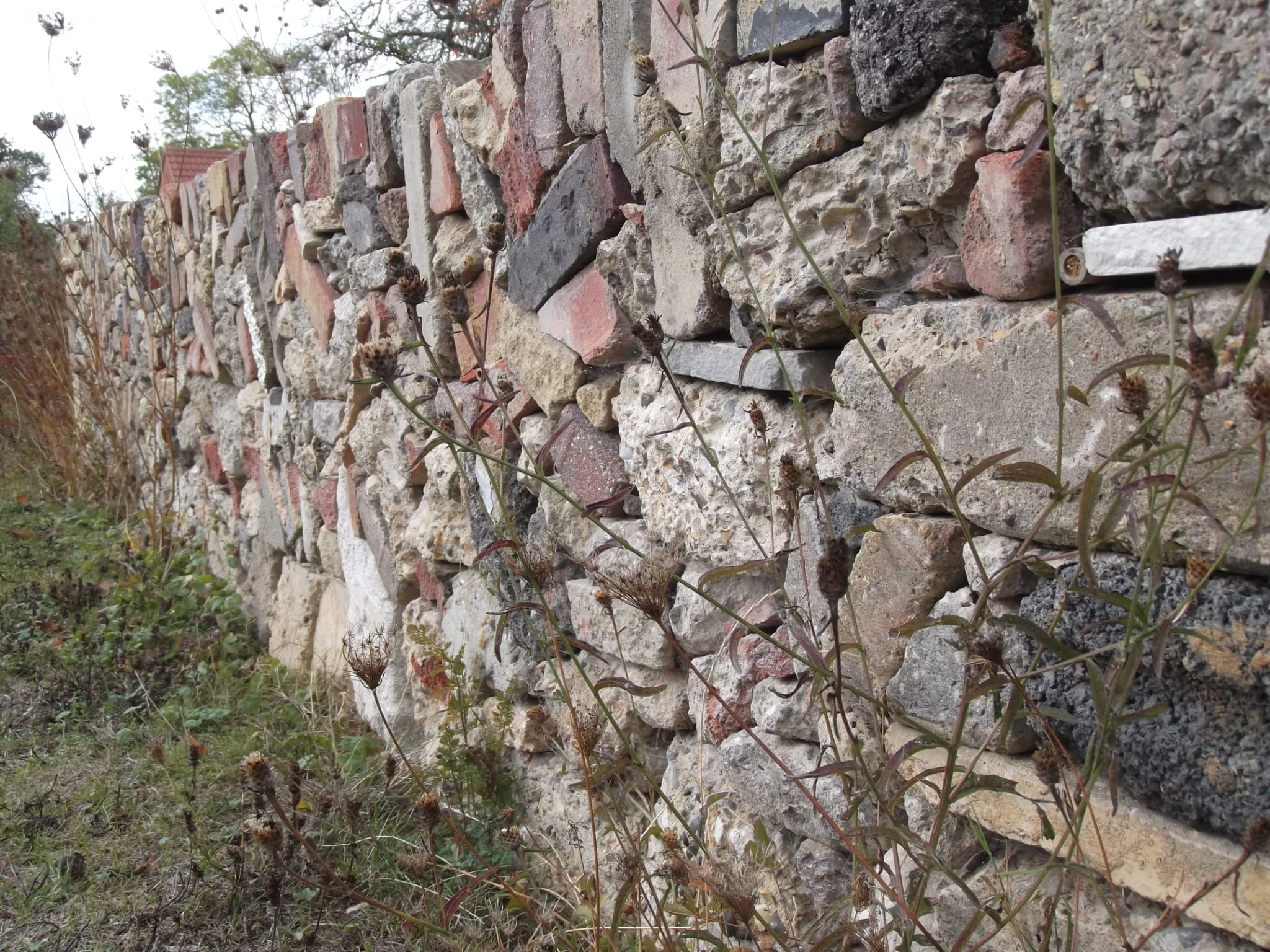
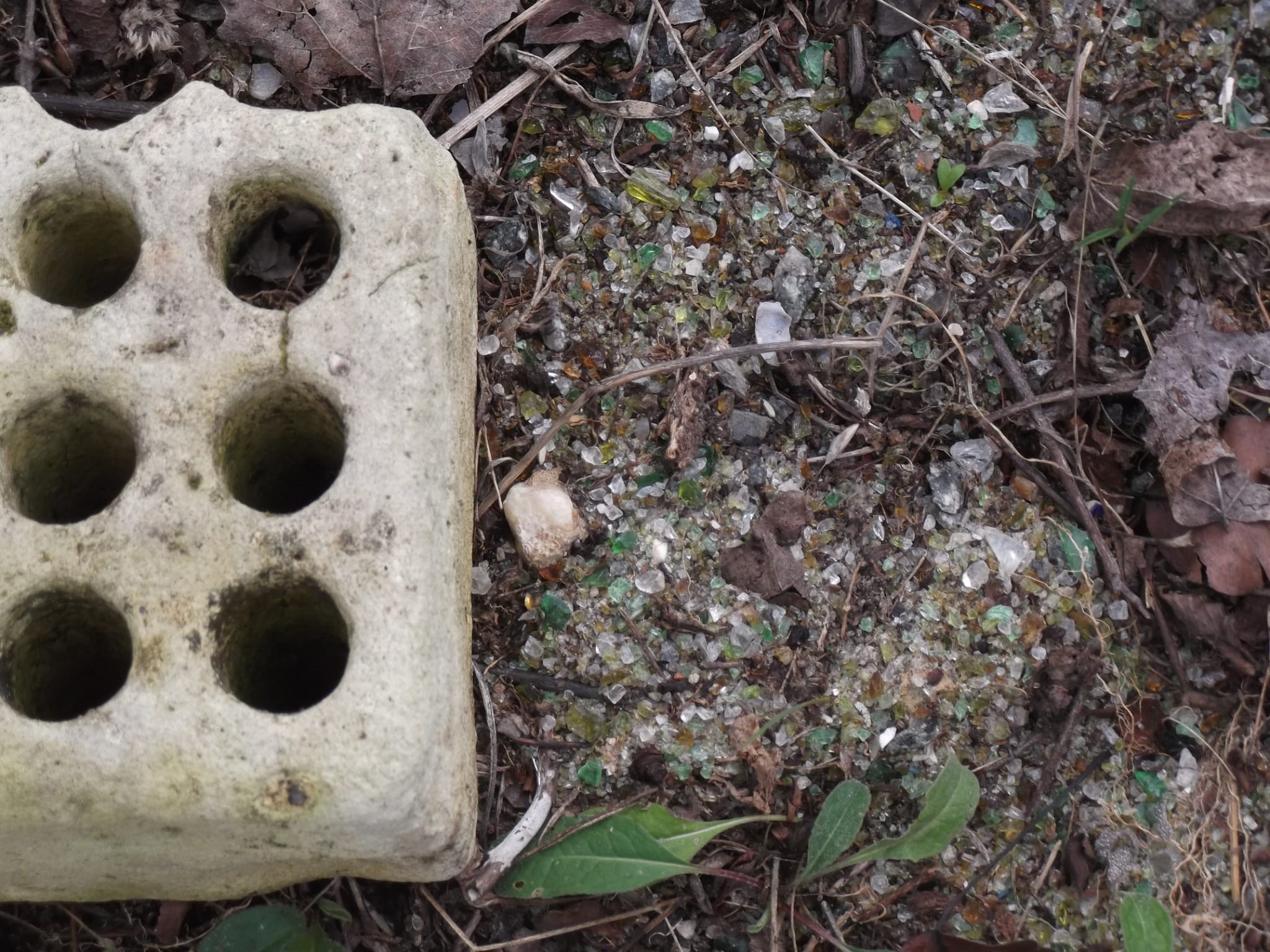
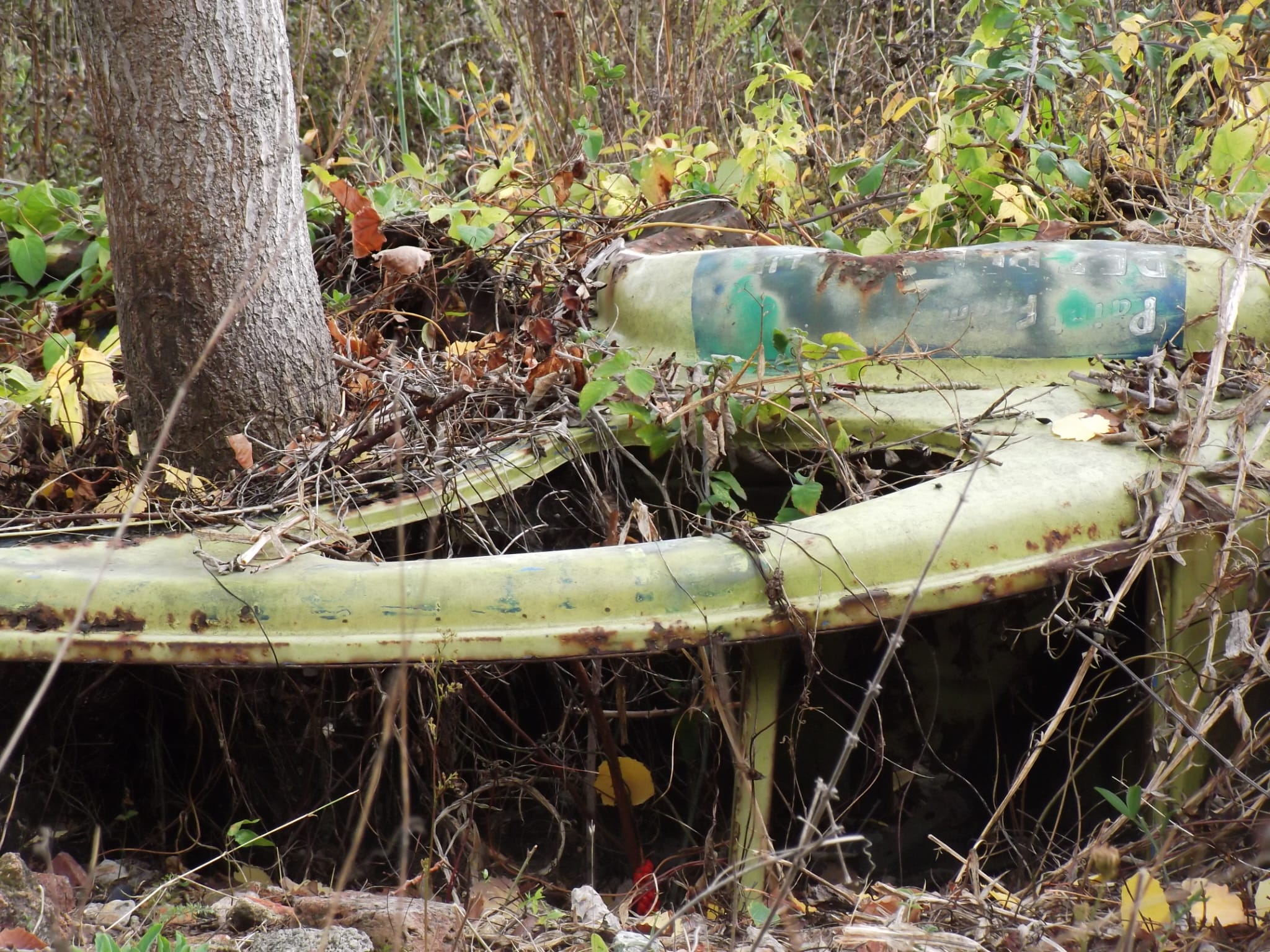
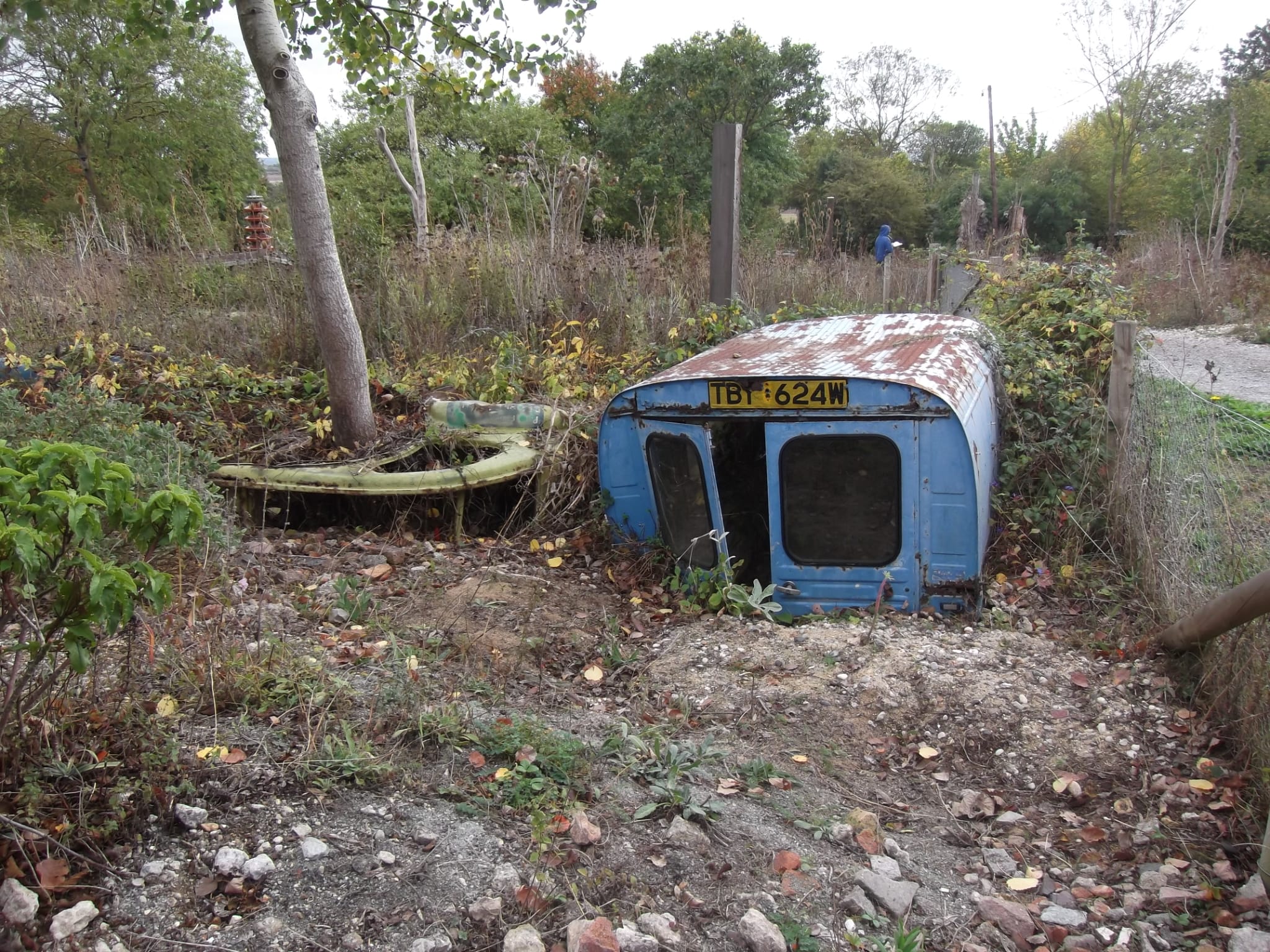
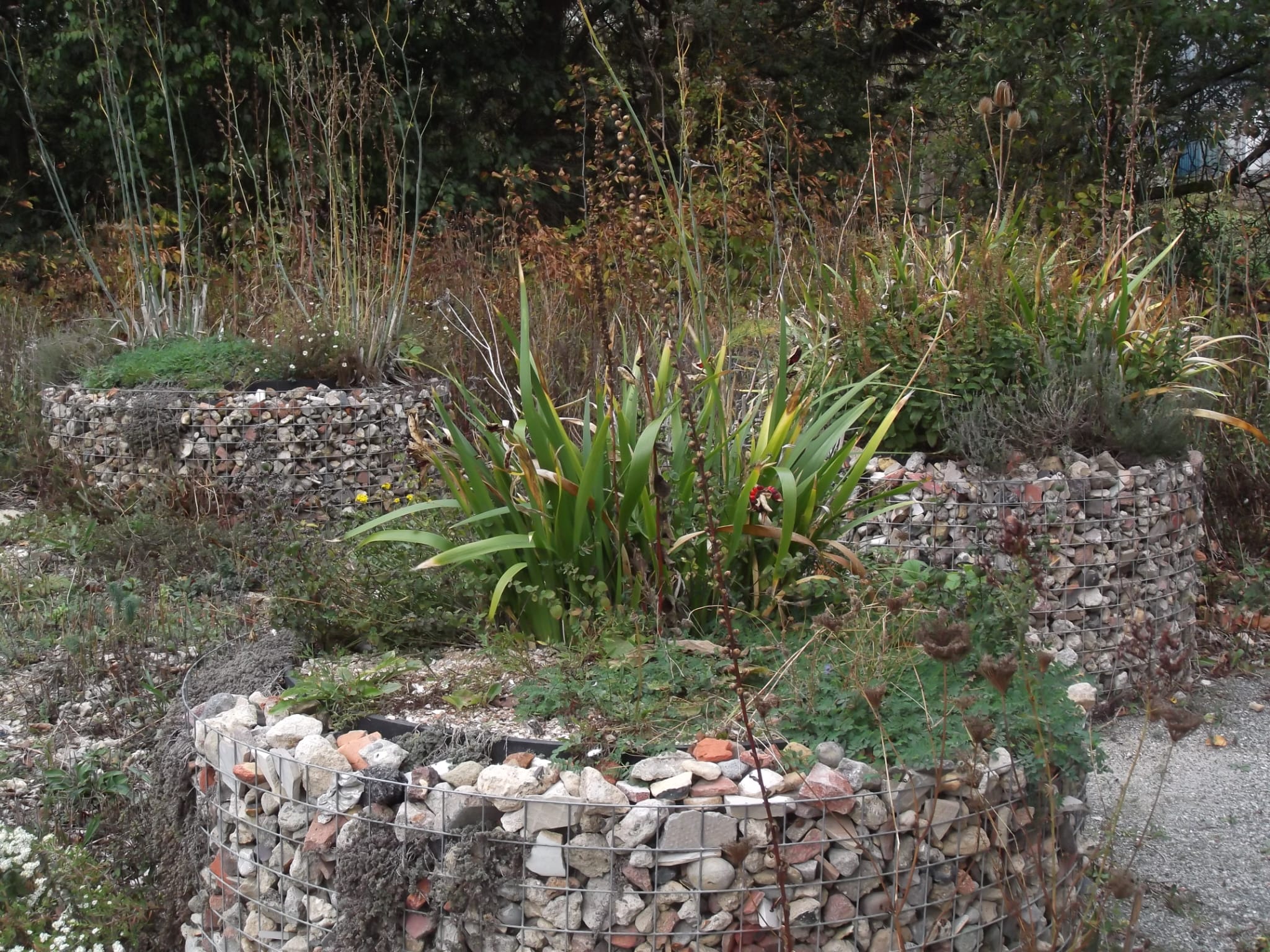
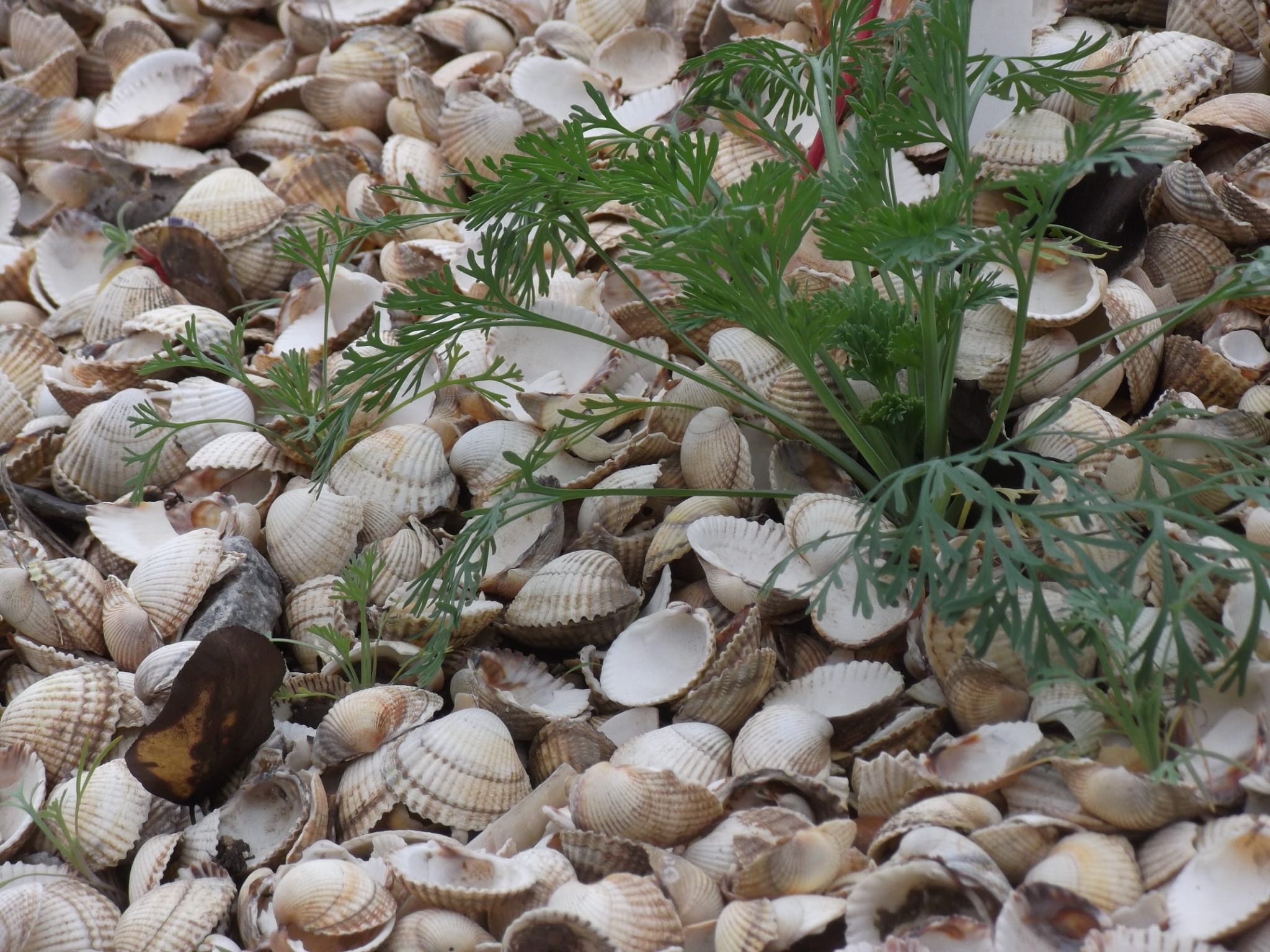
This isn’t to say that rubbish for example plastics should become acceptable to leave in the natural environment. We all know that the volume of plastic waste and toxic components it bleeds into the environment is a serious concern. However, plastic doesn’t just disappear if you move it from one place to another so maybe an alternative solution is to think how we can responsibly use it in design to create these complex landscapes. Instead of creating new resources for habitats let’s re-use existing materials found locally. Some ways in which John Little re-used waste in Hilldrop garden is through broken glass and seashell substrates, repurposed debris drystone walls, steel sheet planters and even a vehicle embedded into the landscape which has now been reclaimed by nature.
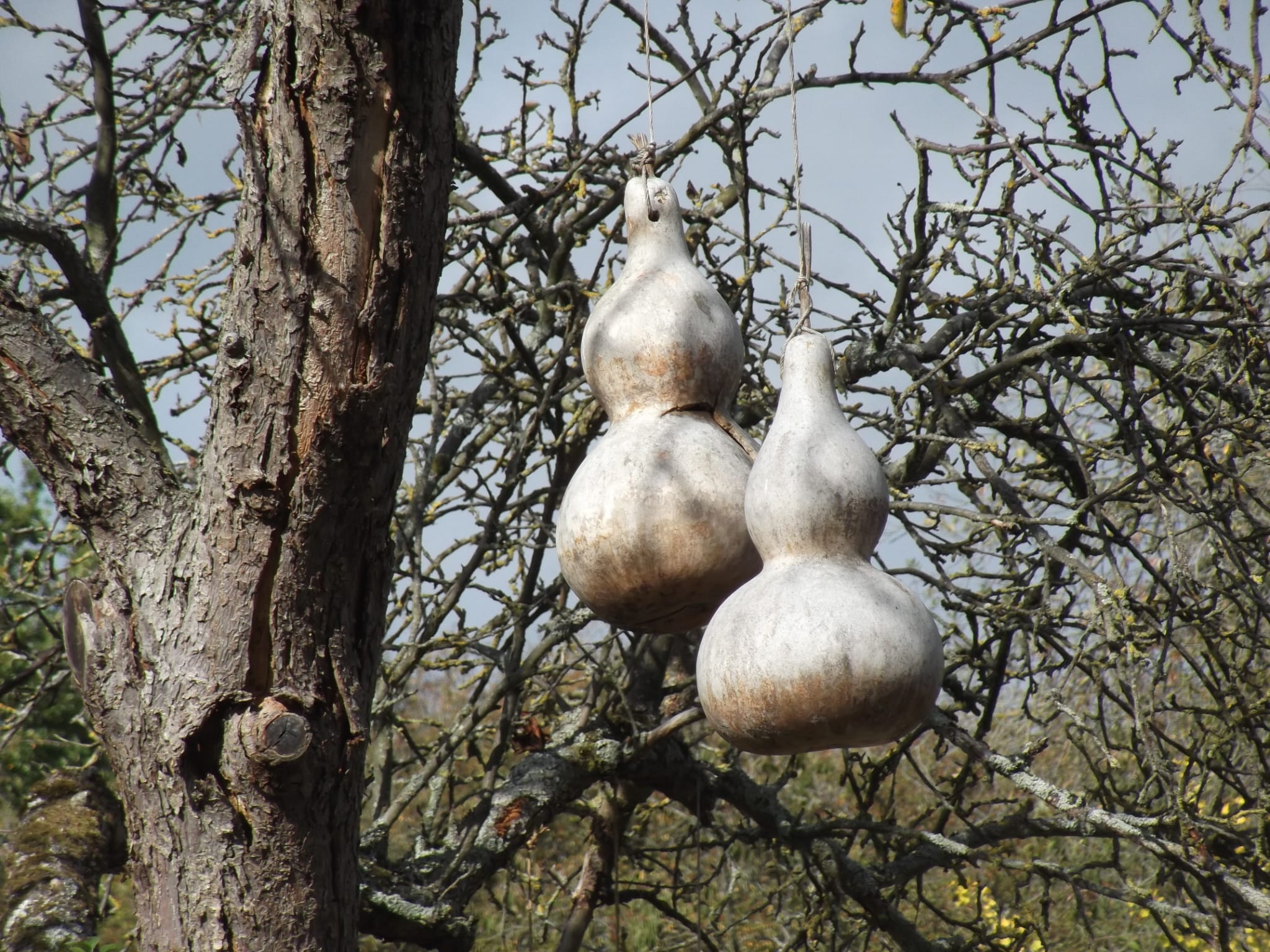
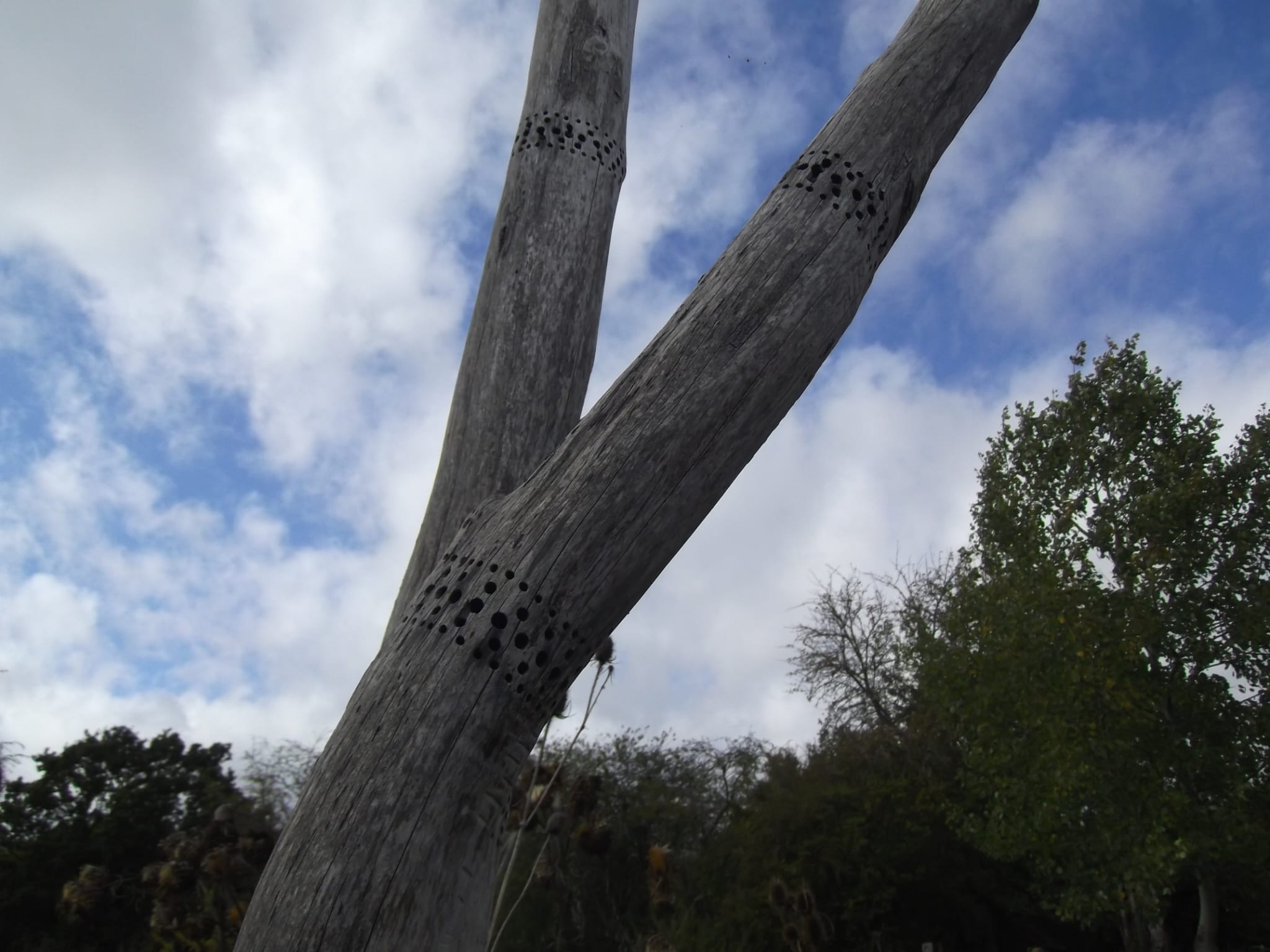
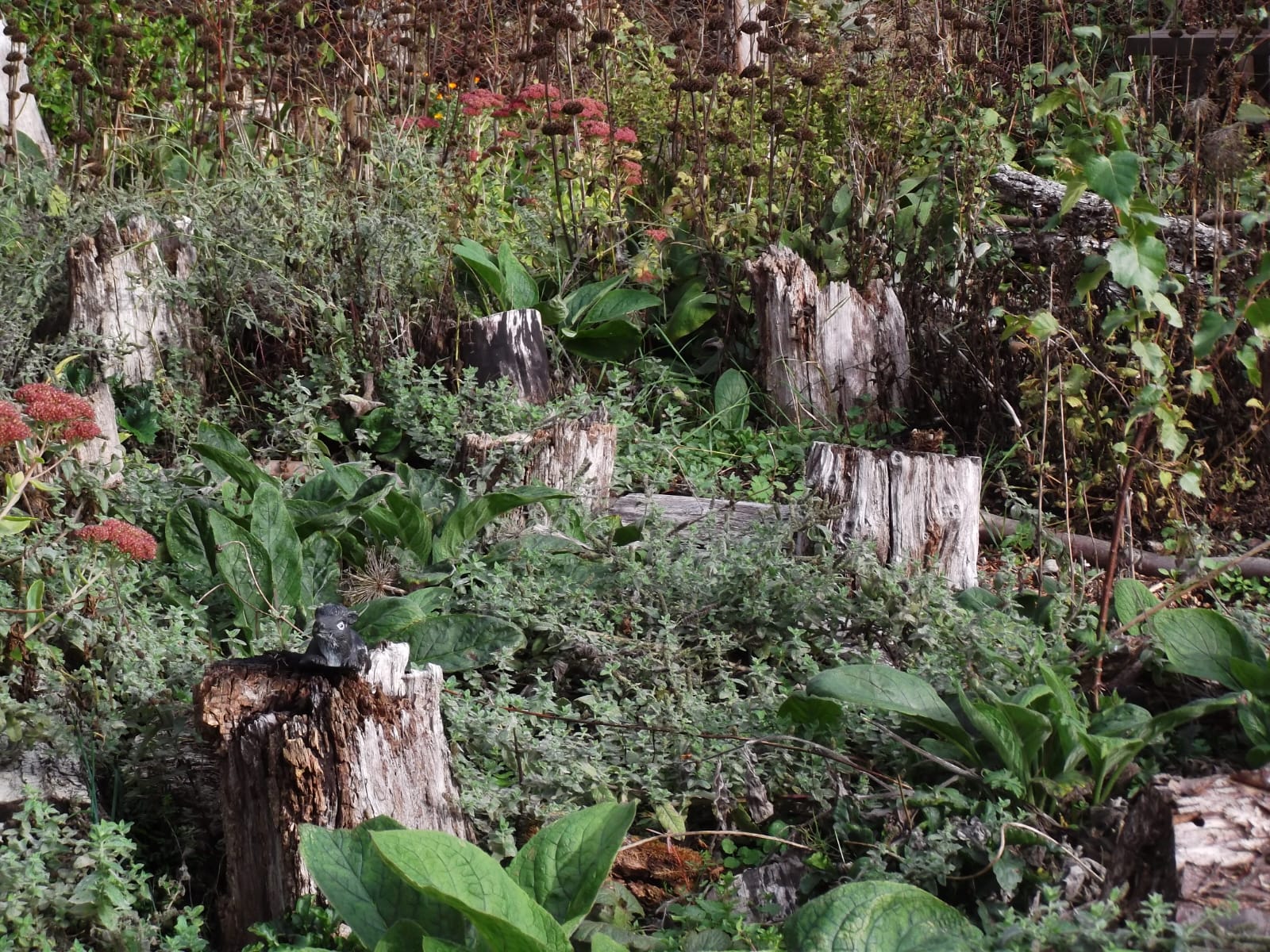
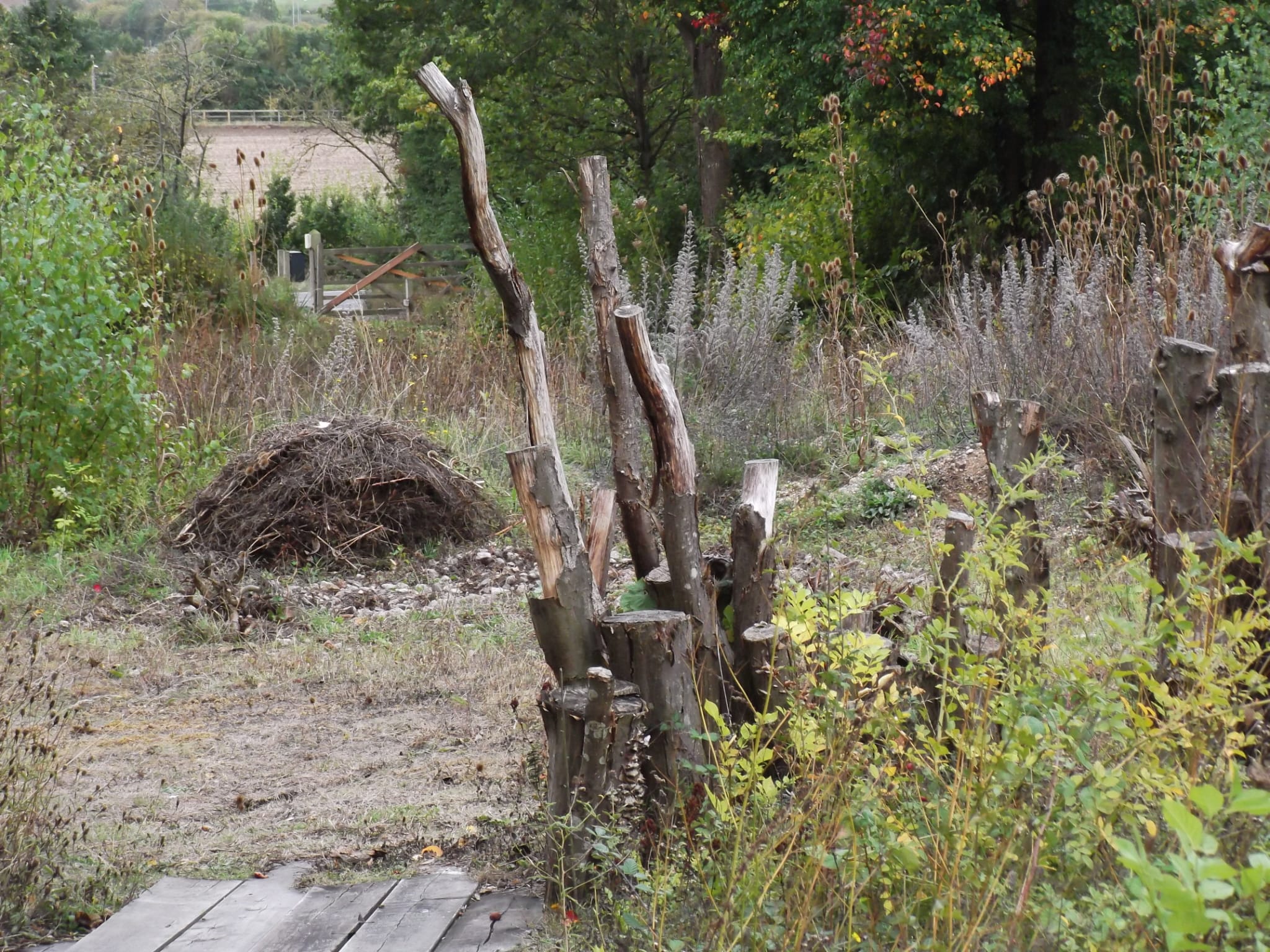
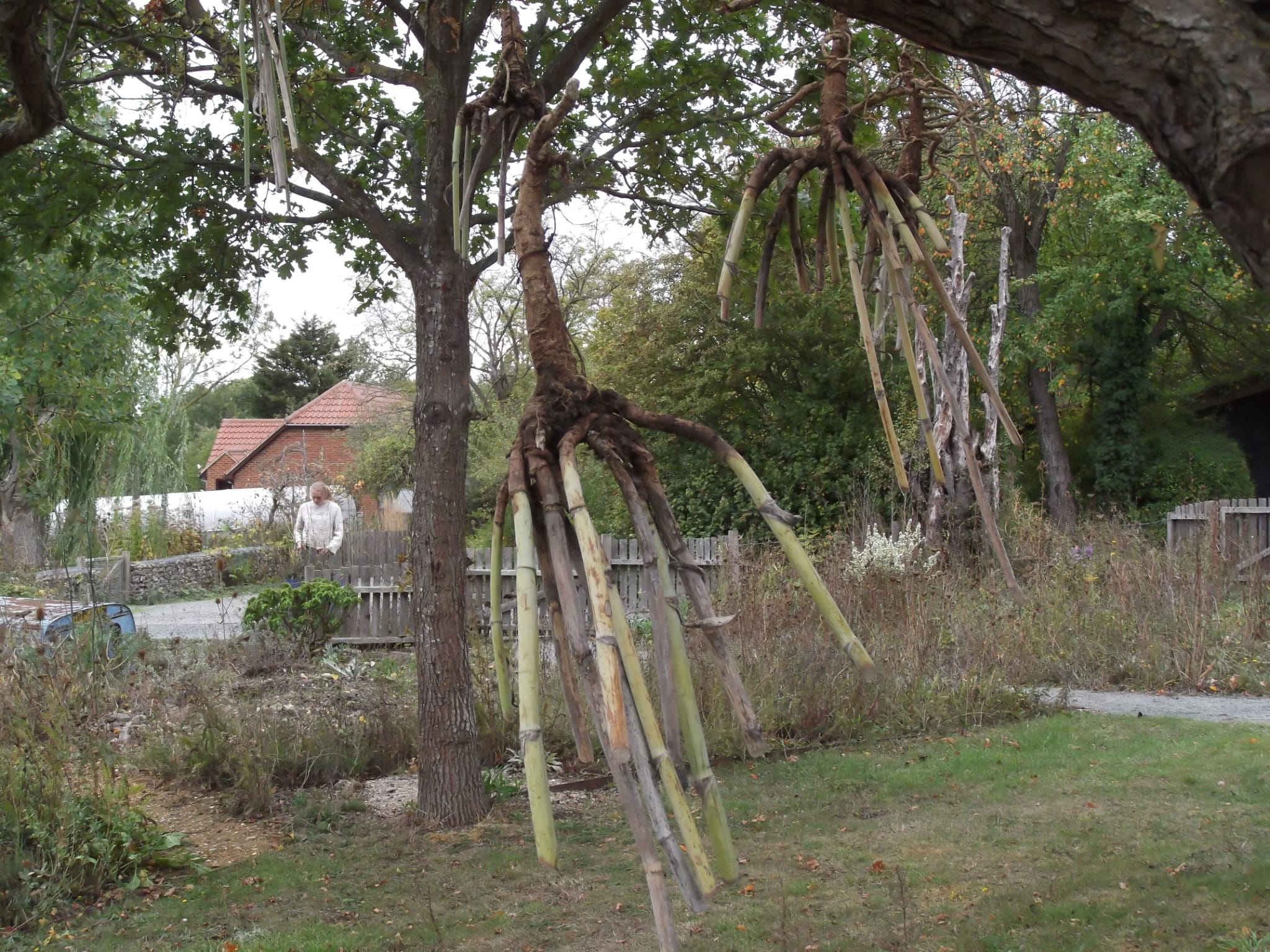
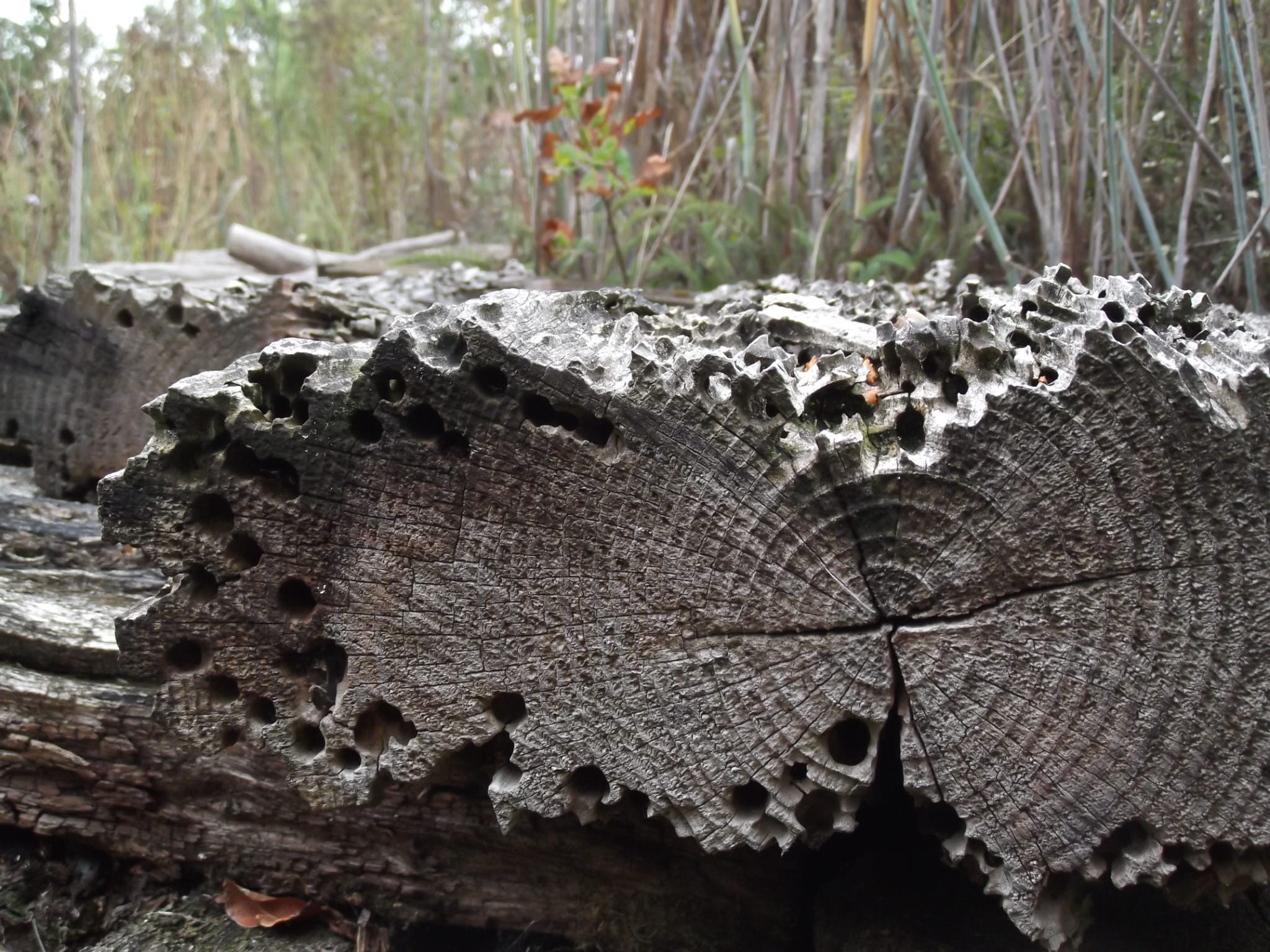
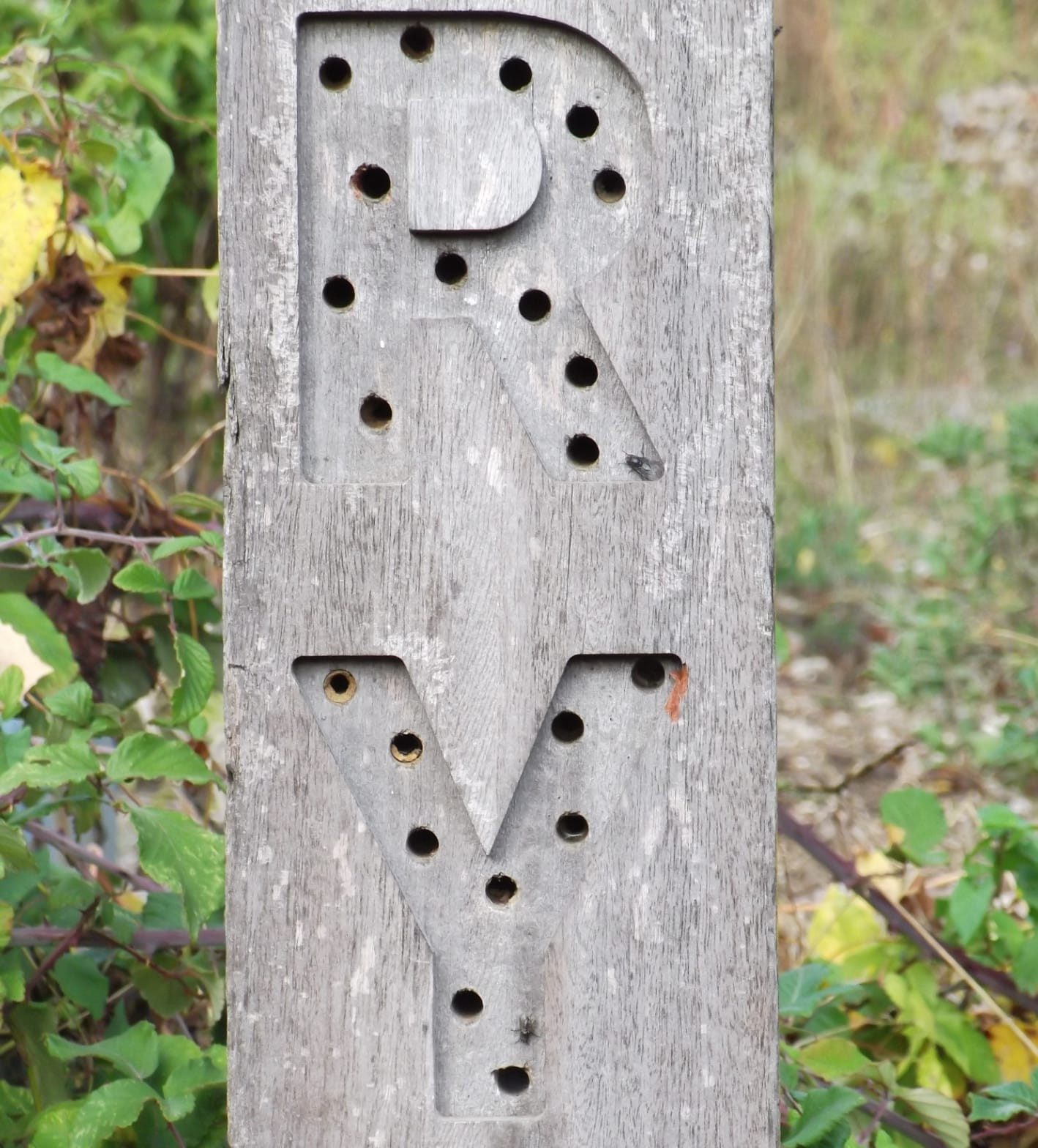
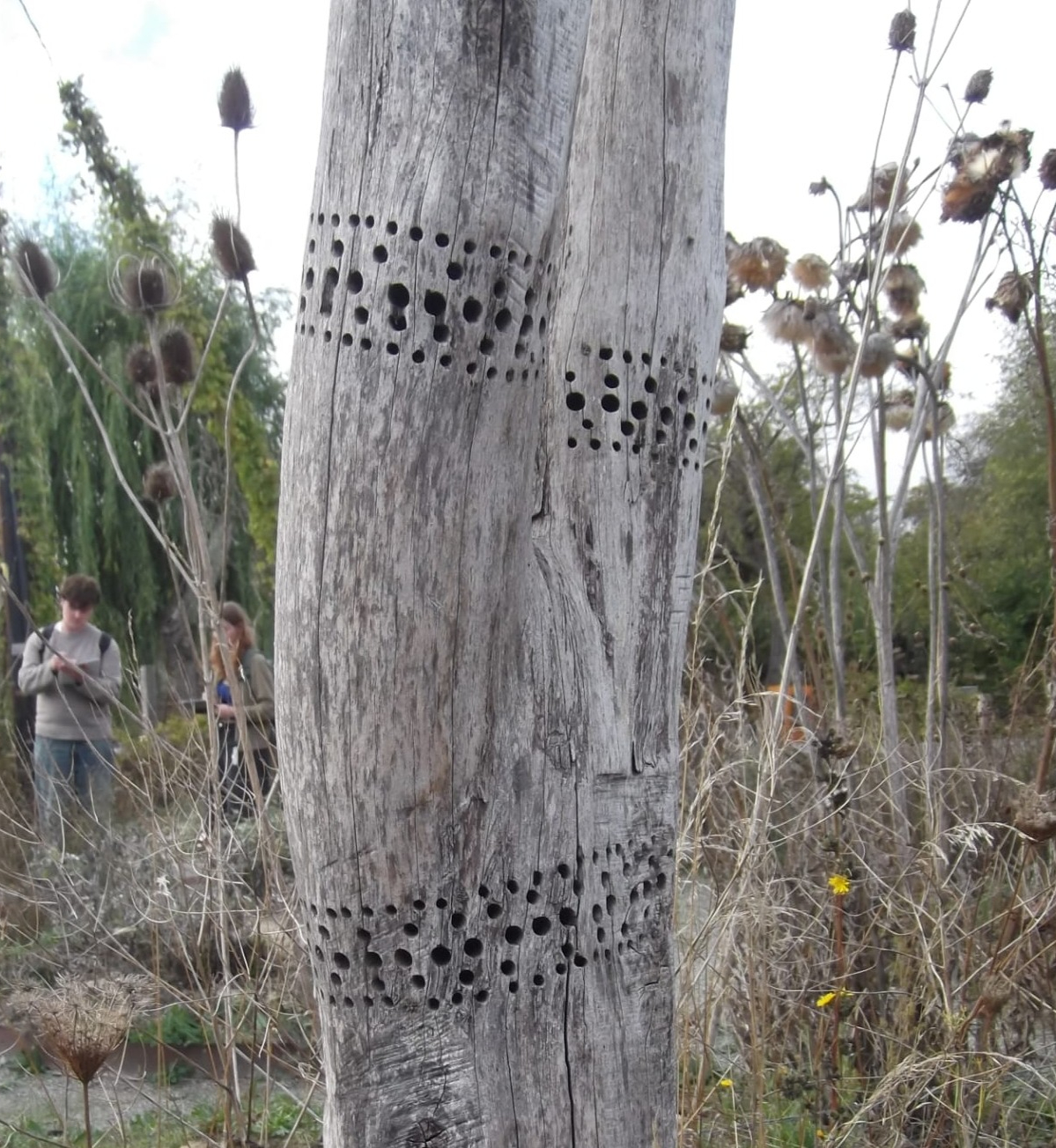
I also want to briefly touch upon another experimentative intervention that John Little was passionate about, deadwood structures. Interestingly, when you look up the word ‘deadwood’ two phrases are used to describe it, ‘useless’ and ‘no longer productive’, but these very useless materials are actually very useful and one of the most important micro-habitats, specifically for invertebrates and fungi. Deadwood plays a pivotal role in nutrient cycling, shelter and again ecological succession; it literally feeds nutrients back into the soil and enables a whole chain effect that goes all the way across the food web. Unfortunately, deadwood isn’t conventionally attractive to the majority of the public but once we start appreciating the value of these materials we can’t help but be charmed by their quirks and through some of my pictures you can see ways in which John Little has given deadwood a ‘new look’.